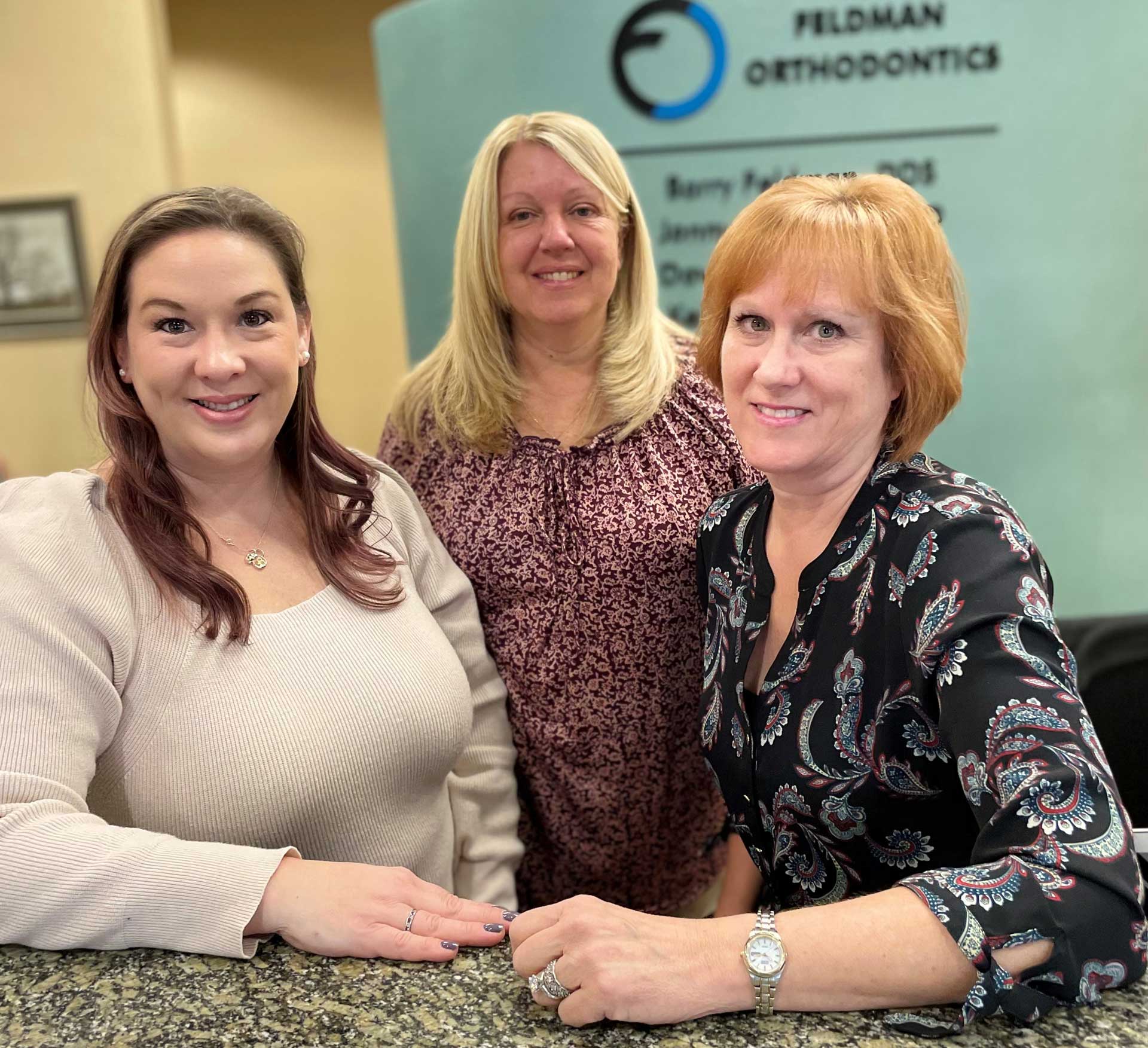
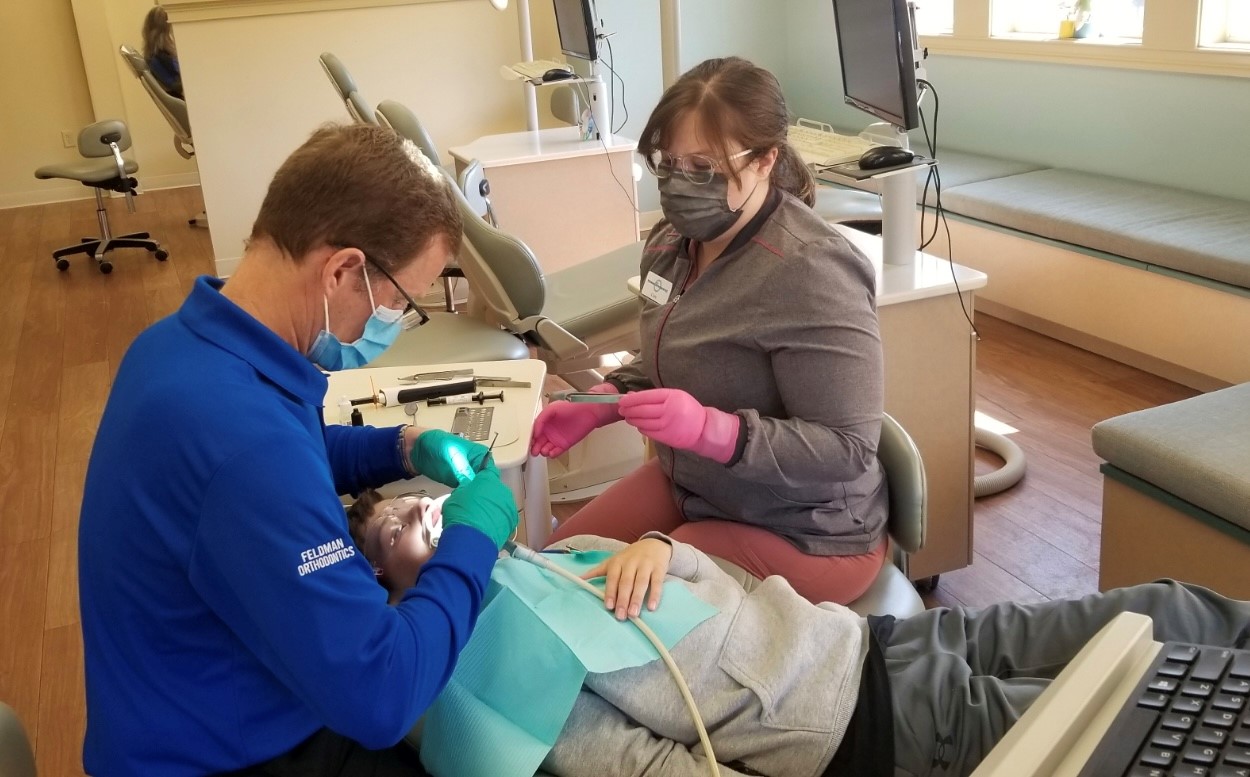
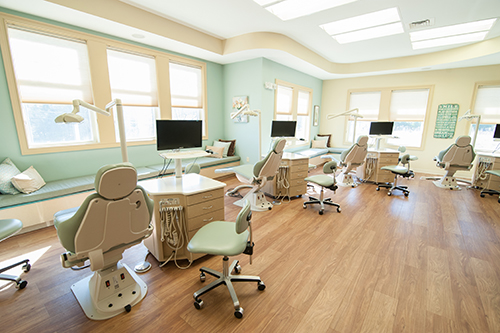
Feldman Orthodontics is dedicated to providing exceptional orthodontic services in Cheshire, Connecticut. Our team has years of experience and works together to provide patients with healthy, radiant smiles. When you come to Feldman Orthodontics, you can choose from a comprehensive range of braces and other treatments tailored to the needs of children and adults.
We strive to give each patient the customized care they deserve since we know that feeling good about their smile is crucial to their overall well-being. Whether you choose traditional metal braces or clear aligners, we can quickly help you achieve beautiful results without sacrificing functionality. Learn more about what we can do for you by scheduling a complimentary consultation right away.
Top-Rated Cheshire Orthodontist
Feldman Orthodontics is the best choice if you’re looking for a professional and trustworthy orthodontist. Drs. Jonny Feldman, David Feldman, Kelly Morrison, and Preeti Chandhoke are all diplomates of The American Board of Orthodontics. Using the most advanced orthodontic technology, such as the iTero system and 3D printing, our goal is to provide our patients with the best possible outcome through a tailored plan that meets each individual’s needs. More than that, they foster a friendly environment where everyone feels welcome and comfortable.
Our practice specializes in various treatments that can help you achieve the beautiful smile you desire. Let’s take a closer look at the orthodontic services we provide.
Braces
We offer traditional metal braces and ceramic braces, which are less visible than traditional metal ones. To make your treatment even faster and more comfortable, we use LightForce brackets made with 3D printing technology to speed up and enhance the effectiveness of braces.
Clear Aligners
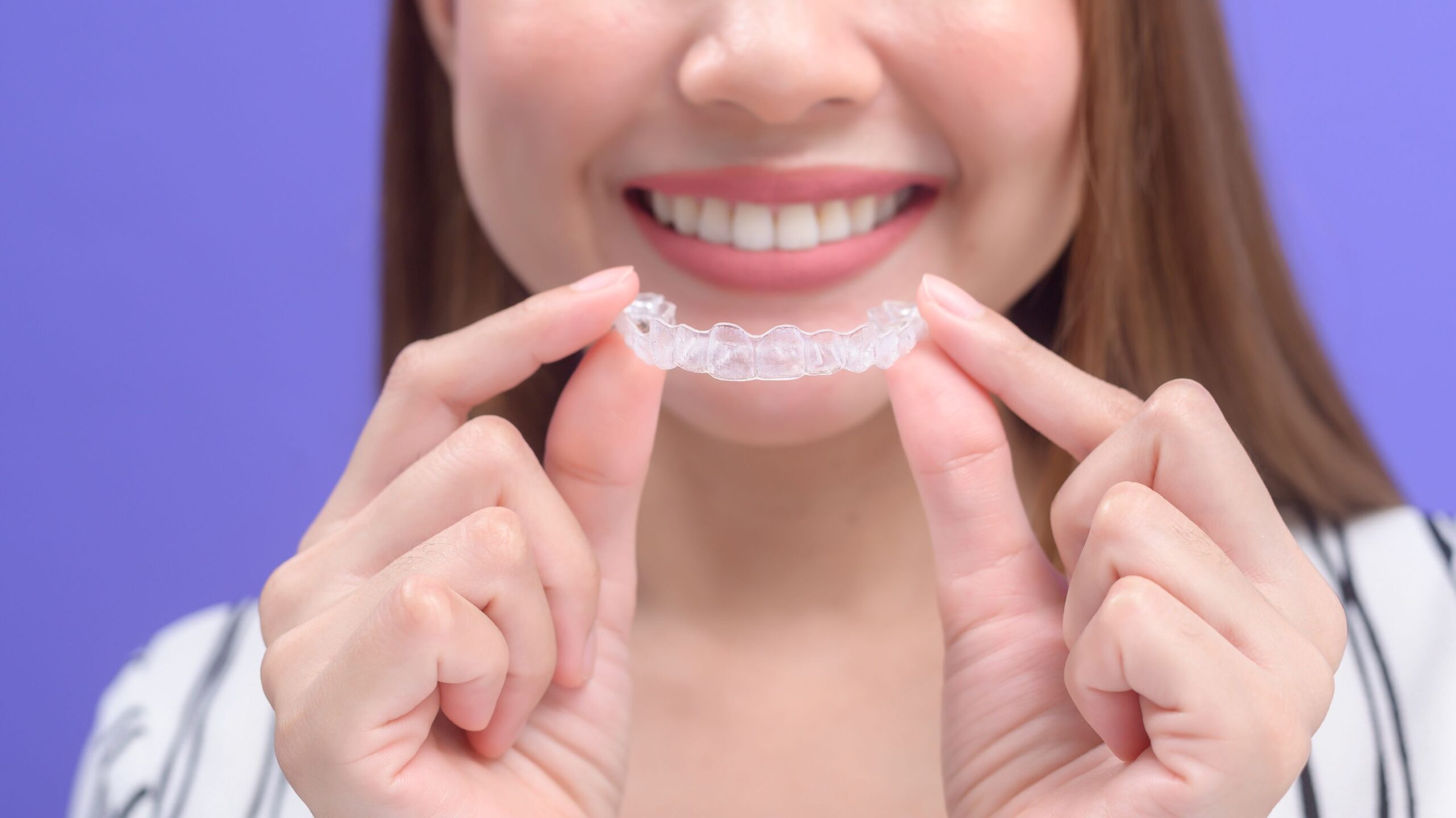
If you want to avoid wearing braces altogether or prefer a discreet option, clear aligners may be right for you. Clear aligners are made from a smooth plastic material that fits over your teeth like a mouthguard and can be easily removed when eating or cleaning your teeth. Additionally, these aligners can be used to treat adults, teens, and kids with mild cases of misalignment since they are virtually invisible when worn.
Two-Phase Treatment
We also offer two-phase treatment if necessary to correct your bite before completing any additional alignment work on your teeth if needed. This process begins by correcting jaw growth issues first with functional appliances or retainers, then utilizing regular braces or clear aligners once the bite has been corrected into its ideal position.
Orthognathic Surgery
In some cases where more complex corrections are required, we may recommend orthognathic surgery to improve jaw alignment and bite. This surgery is performed by an oral surgeon specializing in facial skeletal growth issues in conjunction with our orthodontist’s guidance on how your jaws should move into proper alignment for an optimal bite. After this treatment, our team will work together to finish any remaining alignment work, if needed, so that you have a beautiful smile!
Invisalign is the perfect choice for those who want a discreet and comfortable orthodontic treatment option. With Invisalign, you don’t have to worry about dealing with uncomfortable metal braces or worrying about others noticing them on your smile. Plus, the clear aligners are removable, so you can easily keep up with your oral hygiene habits.
Feldman Orthodontics is proud to be an Invisalign Provider in Cheshire, CT. Our crew has been trained and certified to give you the best possible care during your clear aligner treatment. If you aren’t sure if you are a candidate for Invisalign, schedule a complimentary consultation with one of our board-certified orthodontists today!
Braces In Cheshire
Braces are an excellent orthodontic treatment option for patients of all ages, and they can be used to repair a variety of alignment issues. Braces, for example, can help with overcrowding, which can cause teeth to overlap, become misaligned, and be difficult to clean. Braces can also be used to fix an overbite or an underbite.
At Feldman Orthodontics in Cheshire, we offer a variety of braces options. If you are looking for braces in Cheshire, CT, contact Feldman Orthodontics today to schedule your complimentary consultation and find out which type of braces is best for you!
Traditional Metal Braces
Our traditional metal braces are composed of stainless steel brackets and archwires. The brackets attach directly to each tooth, and the archwire runs through them, gently guiding teeth into their proper positions. This is one of the most popular options for braces since it is affordable and effective. Plus, its metal components make it easy for us to add colorful elastic ties or ligatures that can express your personality!
Ceramic Braces
Ceramic braces are a great alternative to metal braces since they are less noticeable and are designed to match the color of your teeth. As a result, they are more suitable for individuals who may be self-conscious about wearing braces due to their more subtle appearance.
LightForce Brackets
Our LightForce brackets incorporate 3D printing technology to produce the brackets for your braces in an in-house lab. Unlike traditional braces, which are mass-produced and placed individually, LightForce brackets can be placed as a whole and are more precise since they are printed using information about your specific smile. This precision also allows for a faster treatment time, resulting in fewer appointments.
Visit Our Cheshire Office Today Or Schedule A Complimentary Consultation
Whether you’re looking for braces, Invisalign clear aligners, or a different treatment, Feldman Orthodontics is the trusted orthodontics office in Cheshire, CT. Our board-certified orthodontists can evaluate your smile and recommend the best treatment for your needs. Contact us today to schedule a complimentary consultation and get started on bettering your oral health.
Head east toward Evansville Ave for 20 feet. Take CT-70 W to Cardinal Ln in Cheshire for 4.5 miles. Take Eastgate Dr to Highland Ave for 0.8 miles. Turn left onto Highland Ave for 0.1 miles. Your destination will be on the right.
What happens at the first orthodontist appointment?
At your first orthodontist appointment, you can expect a comprehensive evaluation of your teeth and bite. The orthodontist will discuss treatment options, take X-rays, photos, and impressions if needed. A personalized treatment plan will be created based on your specific needs and goals.
What is the difference between a dentist and an orthodontist?
Orthodontists specialize in correcting teeth and jaw alignment, while dentists focus on overall oral health, including cleanings, fillings, and general dental care. Orthodontists undergo additional training to become experts in straightening teeth and correcting bites, offering specialized treatments like braces and clear aligners.
Is Invisalign an orthodontic treatment?
Yes, Invisalign is an orthodontic treatment that uses clear aligners to straighten teeth. It is a popular alternative to traditional braces for both adults and teens, offering a discreet and removable option for achieving a straighter smile.
How long do orthodontic treatments typically last?
Orthodontic treatments typically last around 18 to 24 months, but the duration can vary depending on the individual's specific needs and the complexity of the case. Factors such as the type of treatment, patient compliance, and the body's response to treatment can influence the overall length of orthodontic care.
Can orthodontists fix overbites or underbites?
Orthodontists can fix overbites or underbites through treatments like braces, clear aligners, or orthognathic surgery, depending on the severity. These treatments aim to correct the jaw alignment and bite issues, leading to a more functional and aesthetically pleasing smile.
What age should children see an orthodontist?
Children should see an orthodontist for an initial evaluation around the age of 7. This allows the orthodontist to assess their growth and development, detect any early orthodontic issues, and determine if early intervention or two-phase treatment is necessary.
Are braces better than Invisalign for alignment?
Braces are typically more effective than Invisalign for complex alignment issues, severe overcrowding, or cases requiring significant bite adjustments. Invisalign is ideal for mild to moderate alignment problems and offers a more discreet option. The best choice depends on individual needs and the orthodontist's recommendation.
How often should I visit my orthodontist?
It is typically recommended to visit your orthodontist every 4 to 8 weeks for adjustments and progress checks during your orthodontic treatment. This frequency allows your orthodontist to monitor your progress and make any necessary modifications to ensure your treatment is on track.
What types of braces do orthodontists offer?
Orthodontists offer traditional metal braces and ceramic braces. Traditional metal braces are durable and effective, while ceramic braces are less visible. LightForce brackets, made with 3D printing, are also available for faster treatment.
Do orthodontists handle teeth whitening procedures?
Orthodontists typically focus on correcting teeth alignment and jaw issues rather than performing teeth whitening procedures. While they can enhance the appearance of your smile through orthodontic treatments, teeth whitening is usually done by dentists specializing in cosmetic procedures. If you're interested in teeth whitening, it's best to consult with a cosmetic dentist for this specific treatment.
How do I maintain oral hygiene with braces?
Maintaining oral hygiene with braces is crucial. Here are some tips:
Brush after every meal with a soft-bristled brush.
Use floss threaders or interdental brushes to clean between teeth.
Rinse with water or mouthwash to remove food particles.
Avoid sticky or hard foods that can damage braces.
Attend regular dental cleanings for professional care.
What are the signs I need orthodontic treatment?
Signs you may need orthodontic treatment include crooked teeth, difficulty biting or chewing, speech issues, mouth breathing, grinding or clenching teeth, jaw pain, protruding teeth, overcrowding, gaps between teeth, and early or late loss of baby teeth. If you notice any of these signs, consider consulting an orthodontist.
Can adults benefit from orthodontic treatments?
Yes, adults can benefit from orthodontic treatments. Orthodontic procedures like braces or clear aligners can help adults correct misalignments, improve oral health, and enhance their smiles. Many orthodontic options are available to suit the needs and preferences of adult patients seeking to improve their dental alignment.
How does orthodontic technology improve treatment?
Orthodontic technology, such as 3D printing and digital imaging, enhances treatment precision and efficiency. It allows for personalized treatment plans, faster results, and improved patient comfort. Advanced tools like iTero scanners and custom braces ensure optimal outcomes, making orthodontic care more effective and convenient for patients.
What payment plans do orthodontists typically offer?
Orthodontists typically offer payment plans that may include options like monthly installments, financing through third-party providers, or discounts for upfront payments. Some practices also accept insurance or flexible spending accounts to help cover orthodontic treatment costs. It's essential to discuss payment plans directly with your orthodontist to find the best option for your financial situation.
Can orthodontists treat TMJ or TMD?
Orthodontists can help alleviate TMJ or TMD symptoms by correcting misalignments that contribute to the condition. Treatment options may include braces, clear aligners, or orthognathic surgery to improve jaw alignment and reduce TMJ-related discomfort. Consulting with an orthodontist can provide personalized solutions for TMJ/TMD management.
Are there alternatives to traditional metal braces?
Yes, alternatives to traditional metal braces include clear aligners like Invisalign and ceramic braces. These options offer more discreet and comfortable orthodontic treatment while still effectively straightening teeth.
How do I prepare for orthodontic treatment?
Preparing for orthodontic treatment involves:
1. Maintaining good oral hygiene.
2. Following any pre-treatment instructions provided by your orthodontist.
3. Stocking up on soft foods for the initial adjustment period.
4. Keeping regular appointments for adjustments.
5. Being patient and committed to the treatment plan.
What foods should I avoid with braces?
When wearing braces, it's best to avoid sticky, hard, or chewy foods that can damage brackets or wires. Foods to avoid include hard candies, nuts, popcorn, gum, and sticky candies. Opt for softer foods like yogurt, pasta, and smoothies to prevent any issues with your braces.
How do retainers help after braces?
Retainers help maintain the results achieved by braces by keeping teeth in their new aligned positions. They prevent teeth from shifting back to their original placement, ensuring a lasting and stable smile. Retainers are typically worn full-time initially and then transitioned to nighttime wear for long-term maintenance.
Can orthodontic issues cause headaches?
Orthodontic issues like misaligned teeth or jaw problems can lead to headaches due to muscle strain and tension. Correcting these problems through orthodontic treatment can alleviate headaches associated with dental misalignment. It's essential to consult with an orthodontist to address the root cause of any discomfort.
Do orthodontists offer surgical orthodontics?
Yes, orthodontists offer surgical orthodontics, also known as orthognathic surgery, for complex cases requiring jaw alignment corrections. This procedure is recommended in conjunction with orthodontic treatment to enhance bite and jaw alignment.
Whats involved in orthodontic emergency care?
Orthodontic emergency care may involve addressing issues like broken braces, wires poking, or severe pain. Contact your orthodontist immediately for guidance. They may provide temporary solutions until a formal appointment can be scheduled for proper treatment. Follow their instructions carefully to manage the situation effectively.
How do braces impact daily life?
Braces may initially cause discomfort and require adjustments to eating habits. Oral hygiene routines become more crucial, and regular orthodontic appointments are necessary. Speech may be affected temporarily. However, braces ultimately lead to a straighter smile and improved oral health, boosting confidence in the long run.
Can orthodontic treatments prevent gum disease?
Orthodontic treatments can help prevent gum disease by aligning teeth properly, making it easier to clean between them. Properly aligned teeth reduce the risk of plaque buildup, which can lead to gum disease. Good oral hygiene practices combined with orthodontic treatment can contribute to gum health.
How do clear aligners straighten teeth?
Clear aligners straighten teeth by applying gentle pressure to gradually shift them into the desired position. Each set of aligners is worn for about 1-2 weeks, progressively moving the teeth until the alignment is corrected. This process continues until the teeth reach their optimal alignment, resulting in a straighter smile.
What advancements have been made in orthodontics?
Advancements in orthodontics include:
1. Utilization of 3D printing for customized braces.
2. Introduction of clear aligners like Invisalign.
3. Incorporation of digital technology for treatment planning.
4. Development of orthognathic surgery for complex cases.
5. Enhanced patient comfort and treatment efficiency.
Can orthodontists correct jaw misalignment?
Yes, orthodontists can correct jaw misalignment through treatments like functional appliances, retainers, braces, or orthognathic surgery, depending on the severity of the misalignment. These methods help align the jaws properly, improving both the function and aesthetics of the smile.
How do braces affect playing sports?
Wearing braces while playing sports can be challenging due to the risk of mouth injuries. Mouthguards are recommended to protect the braces and teeth during physical activities. Specialized mouthguards can be custom-made to fit over braces comfortably, reducing the risk of damage.
Are there risks associated with orthodontic treatments?
Orthodontic treatments, like braces or clear aligners, carry some risks, including tooth decay, gum disease, and root resorption. However, these risks are minimal with proper care and regular dental check-ups during treatment. It's essential to follow your orthodontist's instructions to minimize any potential issues.